
Easy Fish Keeping | For Beginners
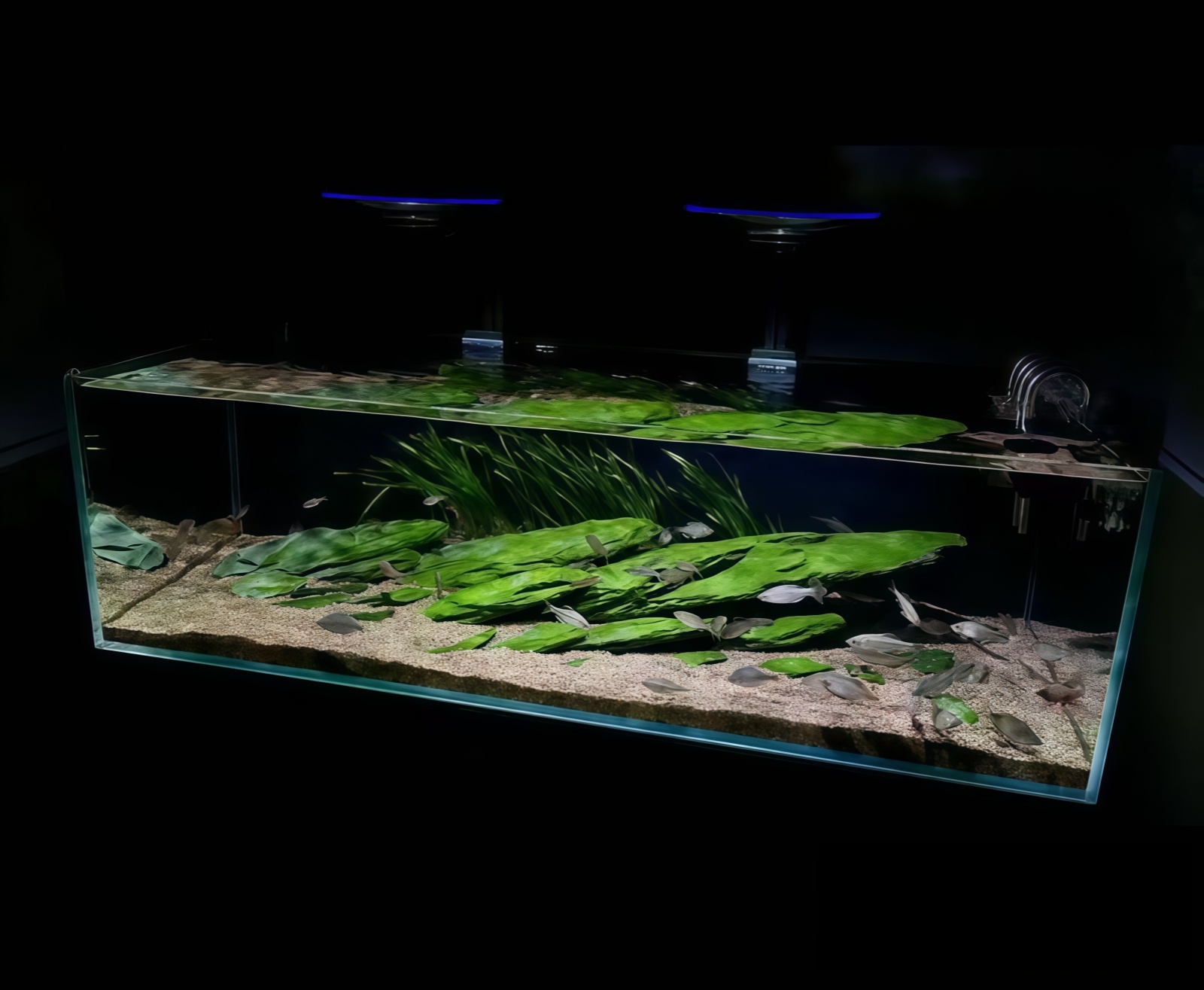
A stream tank mimics the clear, moving water of natural streams and rivers, giving your fish a healthy, natural home. This simple, step-by-step guide walks you through every part of setup — no confusing jargon, just clear instructions for first-time fish keepers. We’ve broken it into easy stages to help you build a stable, low-fuss ecosystem for your aquatic pets.
Easy Fish Keeping | Hassle-Free Beginner Aquarium Guide
A stream tank, also known as a riverine biotope aquarium, recreates the clear, flowing-water environment of natural streams and rivers. This step-by-step guide walks you through every stage of setup, helping you build a stable, healthy ecosystem for your aquatic life with professional tips and easy-to-follow operations, structured in a clear two-level format for quick reading and practical use.
Main Equipment: We recommend a 60–90cm long rectangular tank (this shape works best for stream flow). You’ll also need a drip tray + under-gravel filter plate combo, a wave maker that cycles 3–5 times the tank’s total water volume per hour, a full-spectrum LED light (5000–6500K), an aquarium thermometer, and an adjustable heater (20–30°C range).
Tools & Supplies: Fish net, gravel vacuum, clean water bucket, pH test strips, ammonia and nitrite test kits, potassium permanganate (for disinfecting), filter sponge, ceramic rings, and other standard filter media.
Where to Put the Tank: Keep your tank out of direct sunlight at all times. Sunlight causes fast, thick algae growth that’s hard to clean and ruins water quality. Pick a spot away from windows and direct natural light.
1. Before You Start: What You Need
Core Equipment Required: Recommended 60–90cm long rectangular aquarium, drip tray + under-gravel filter plate filtration system, wave maker with a flow rate of 3–5x total water volume per hour, 5000–6500K full-spectrum LED light, aquarium thermometer, and adjustable heater (20–30°C temperature range).
Tools & Materials Needed: Fishing net, siphon vacuum, dedicated water bucket, pH test strips, ammonia & nitrite test kits, potassium permanganate disinfectant solution, biological sponge, ceramic rings, and other qualified filter media.
Tank Placement Rule: Position your aquarium in a spot away from direct sunlight at all times. Direct natural light will trigger aggressive algae growth, which is difficult to control and will disrupt the entire tank ecosystem, so avoid windows or direct sun exposure completely.
For a new tank: Rinse the glass thoroughly with room-temperature clean water three times. This washes off factory residue, dust, and any leftover chemicals from production. Prep your filter media first: Rinse filter wool under running water to remove loose dust and fibers. Soak ceramic rings (biological filter media) in tank water for 24 hours to open their tiny pores — this helps good bacteria grow later.
Disinfect rocks and driftwood to kill hidden germs and pests: Boil rocks for 30 minutes, or soak them in diluted potassium permanganate solution for 1 hour. Boil driftwood for 2 full hours to remove tannins (the brown stuff that stains water); repeat boiling until the water runs clear, so your stream tank stays crystal clear.
2. Clean & Disinfect Everything
For a brand-new tank, rinse it thoroughly with clean, room-temperature water 3 full times to wipe out residual release agents, production dust and other hidden impurities. Pre-treat filter media properly before use: rinse mechanical filter wool under running water to remove loose fibers and dust, and soak biological ceramic rings in tank water for 24 hours to activate microporous structures for beneficial bacteria colonization.
Disinfect all hardscape materials strictly to eliminate hidden bacteria and parasites: boil rocks in clean water for 30 minutes or soak them in diluted potassium permanganate solution for 1 hour; boil driftwood continuously for 2 hours to remove excess tannins, repeating the process until the water runs clear to avoid tank water discoloration later.
Layer your substrate for a natural stream bed and steady water flow: First, add a 3cm bottom layer of coarse sand (grain size 5–8mm). On top, add 5–8cm of fine stream sand (grain size 3–5mm). Use a small sieve to shape a gentle slope — avoid packing the sand too tight, as this blocks water flow.
Arrange decor like a real stream: Place your main rock using the triangle method for stability, and make sure it’s no taller than 2/3 the height of the tank. Set driftwood at a 45° angle to look like natural fallen branches. Use small tweezers to plant dwarf baby tears (Hemianthus callitrichoides) in the sand, leaving 2–3cm between each plant so they have room to grow.
3. Add Substrate & Arrange Decor
Lay the substrate in two layers for a natural riverbed effect and stable water flow: first add a 3cm base layer of coarse sand (5–8mm grain size), then top with a 5–8cm layer of stream-specific sand (3–5mm grain size), using a fine sieve to shape a gentle, natural slope without compacting the sand too tightly.
Arrange hardscape and plants following natural stream features: place main rocks using the triangular stability method, keeping the main stone height under 2/3 of the tank height for balanced proportions; fix driftwood at a 45° angle to mimic natural fallen wood; plant Hemianthus callitrichoides (dwarf baby tears) with fine tweezers, leaving 2–3cm spacing between each plant for healthy growth.
Add water slowly using a soft tube along the inside of the tank — this stops you from stirring up sand and messing up your decor. Keep water temperature between 22–26°C, and make sure it’s no more than 2°C different from room temperature to avoid shocking fish later. Right after filling, add a water conditioner to remove chlorine and chloramine from tap water; these chemicals are toxic to fish and must be neutralized.
4. Fill the Tank & Condition Water
Fill the tank slowly with a soft tube along the inner wall to avoid disturbing the substrate and hardscape, maintaining water temperature at 22–26°C with a maximum 2°C difference from room temperature to prevent temperature shock for aquatic life. Right after filling, add a professional water conditioner to neutralize toxic chlorine and chloramine in tap water, laying a safe foundation for the ecosystem.
The nitrogen cycle takes 14–21 days to finish — don’t rush this step! Days 1–7: Water may look a little cloudy; this is normal, as good bacteria start growing. Days 7–14: Ammonia levels will drop, and nitrite levels will rise as the cycle kicks in. Days 14–21: Ammonia and nitrite should both get close to 0 ppm, meaning the water is safe for fish.
Safe Water Levels to Follow: Ammonia 0–0.25 ppm, nitrite 0–0.1 ppm, pH 6.5–7.5 (test once a week). To speed up the cycle: Add used filter media from a healthy, mature tank, or add a few hardy zebra danios. Keep the temperature steady at 25°C, and add liquid nitrifying bacteria every 3 days to help good bacteria grow faster.
5. Build the Nitrogen Cycle (Critical for Fish Health)
The full nitrogen cycle takes 14–21 days total: slight water cloudiness is normal in the 1–7 day startup phase as bacteria multiply; ammonia levels drop and nitrite rises in the 7–14 day balancing phase; both ammonia and nitrite will approach 0 ppm in the 14–21 day mature phase, meaning a stable cycle is formed.
Safe Water Parameter Ranges: Ammonia 0–0.25 ppm, nitrite 0–0.1 ppm, pH 6.5–7.5 (test weekly to keep stable). To speed up the cycle, add used filter media from a mature tank or introduce hardy zebra danios, keep temperature steady at around 25°C, and add liquid nitrifying bacteria every 3 days to boost beneficial bacteria growth.
First, confirm water is 100% safe: Test ammonia and nitrite every day for 3 days straight — both must read 0 ppm. Also make sure dissolved oxygen is at least 5 mg/L (use an air pump for a day if needed). Test the tank with 5–10 small, hardy fish (like tetras); watch them for 3 days. If they swim normally and show no stress, you can add your main fish.
Acclimate fish the right way to avoid stress: Float the sealed fish bag in the tank for 15 minutes to match the water temperature. Then add a small amount of tank water to the bag three times, waiting 10 minutes between each addition. This lets fish get used to the new water slowly.
Stocking & Care Tips: Stick to small, peaceful freshwater fish that fit stream tanks, like pale chub and Chinese bitterling. Do NOT feed fish for the first 3 days after adding them — they need time to adjust, and overfeeding ruins water quality. Once you start feeding, give them no more than 2% of their body weight per day, split into two small meals.
Take your time with setup, and your stream tank will turn into a balanced, self-sustaining ecosystem that looks just like a natural stream — and keeps your fish happy and healthy for years.
6. Final Checks & Adding Fish
Confirm water quality is safe first: test ammonia and nitrite daily for 3 consecutive days, both must read 0 ppm, and ensure dissolved oxygen ≥ 5 mg/L (use an air pump temporarily if needed). Test the tank with 5–10 hardy starter fish like tetras, observe for 3 days, and only add target fish if no abnormal behavior occurs.
Acclimate fish properly to avoid stress: float the sealed fish bag in the tank for 15 minutes to equalize water temperature, then add tank water to the bag gradually in 3 separate steps (10 minutes apart) to allow fish to adapt to water conditions.
Stocking Density & Post-Introduction Care: Prioritize small native freshwater fish such as pale chub (Zacco platypus) and Chinese bitterling (Rhodeus sinensis) for optimal compatibility. Do not feed fish for the first 3 days after introduction and monitor behavior closely; once feeding begins, offer no more than 2% of the fish’s body weight per day, split into 2 feedings.
With proper setup and patience, your stream tank will develop into a balanced, self-sustaining ecosystem that showcases the beauty of natural stream habitats.