
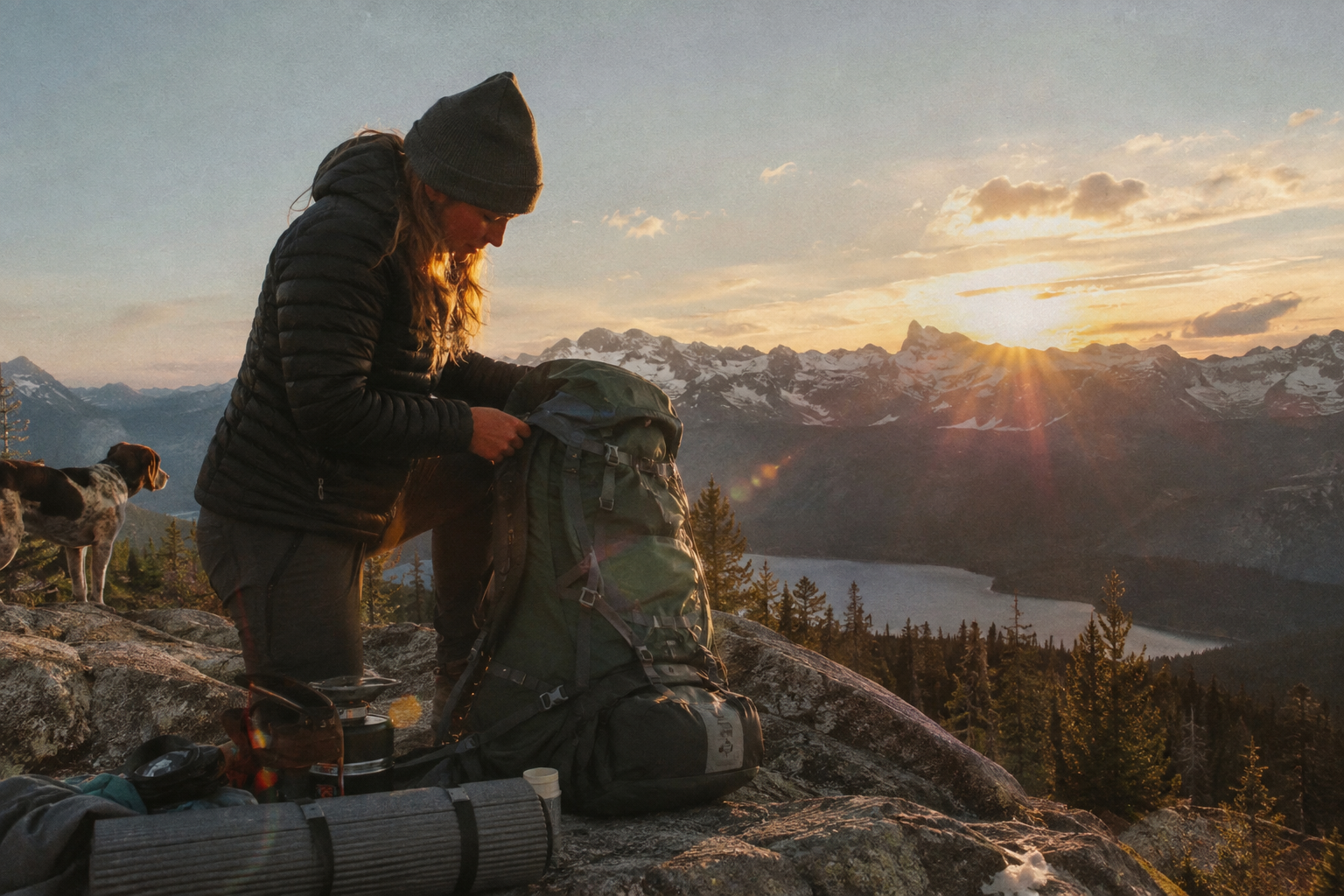
If you’ve ever stared at your pack wondering how you’ll squeeze in one more piece of gear, you’re not alone. Limited backpack space is one of the most common frustrations on the trail. You don’t always need a bigger bag — there are three practical ways to expand your carry capacity and make the most of the space you have.
External Gear Straps with Buckles
Nearly all hiking and backpacking packs come with built-in attachment points along the outside, and adding a set of durable straps and clips lets you put that exterior space to work. You can hang cookware, water bottles, multi-tools, first aid kits, trekking poles and other commonly used items securely along the sides, bottom or front of your pack.
This method frees up valuable interior room for softer, more delicate items, and keeps frequently used gear within easy reach. Many hikers use adjustable side-release buckles and webbing straps to customize their setup, mounting gear exactly where they want it without shifting or bouncing on the trail.
Waist-Mounted Outdoor Hip Pack
A dedicated hiking waist pack adds a whole extra layer of storage right at your hips, without adding bulk to your main pack. These slim, form-fitting packs sit comfortably against your body and are sized for small, high-use items: your phone, energy gels, headlamp, pocket knife, lip balm, trail map and snacks.
Worn around the waist, they keep essentials accessible without having to take your backpack off every few minutes. They also help distribute weight more evenly across your body, taking a little pressure off your shoulders. Many styles include side mesh pockets for water bottles, making them a functional add-on for both day hikes and longer backcountry trips.
Travel Vacuum Compression Bags
For soft, bulky items like sleeping bags, extra layers and spare clothing, vacuum compression bags are one of the most effective ways to reclaim space inside your pack. You place flexible gear inside the bag, seal it, and expel the air — either with a manual pump or by rolling and pressing the bag by hand.
Once compressed, items can shrink to roughly half their original size, freeing up a surprising amount of pack space. Most outdoor-focused compression bags are also water-resistant, so they keep clothes and sleeping gear dry and clean at the same time. They also make it easy to organize items by category, so you don’t have to dig through your whole pack to find a single shirt.
Used together, these three methods let you carry everything you need without upgrading to a bigger, heavier pack. It’s not about packing more — it’s about packing smarter, so you can stay prepared and still travel light.